Everyone returns to the land where they were born To the unmistakable spell of its sun And who’d want to be eating shit and ice When they could be dancing something better – Rita Indiana, “La hora de volvé”
In the ongoing search for a way to record the immaterial, we imagine that this must come from another dimension — a pulse, a lifeline preceding language itself. Plural, dispersed, and sharpened, the signals we send toward the mirrorless surface of the outside world shape another life — within the pulverized body of another intelligence.
If we have to head north into the cold while new settlers arrive on our beaches, patios and gardens — perched on surfboards, lying in hammocks and wearing Ray-Bans — then it is the incongruent spirits of the ancestors, never docile or resigned, who hold the questions and answers to reverse the process. Whom are we listening to, and who listens to us? How and when should we listen? What sounds or silences are we reproducing, amplifying, accompanying, and expanding?
Los límites del afuera opens a door to a form of interdimensional and intertemporal solidarity — with ancestors and more-than-living entities, with outsiders and aliens, the deaf and the subterranean. It seeks to expand our understanding and to embody interdependence as a radical politics, attuned to the historical and systemic oppressions that have silenced the world. Each invited artist takes this as a point of departure, working from distinct conceptual, disciplinary and geographic shores through processes where history, memory, gossip and pleasure intertwine. We imagine the insular and continental Caribbean, the Darién rainforest and the Pacific coastline as a single, shifting territory. This territory is a living map traced by the movements of expelled bodies and defined by a greater collective Life — not a small one, but the vast one, written in capital letters and forever opaque to the extractive gaze.
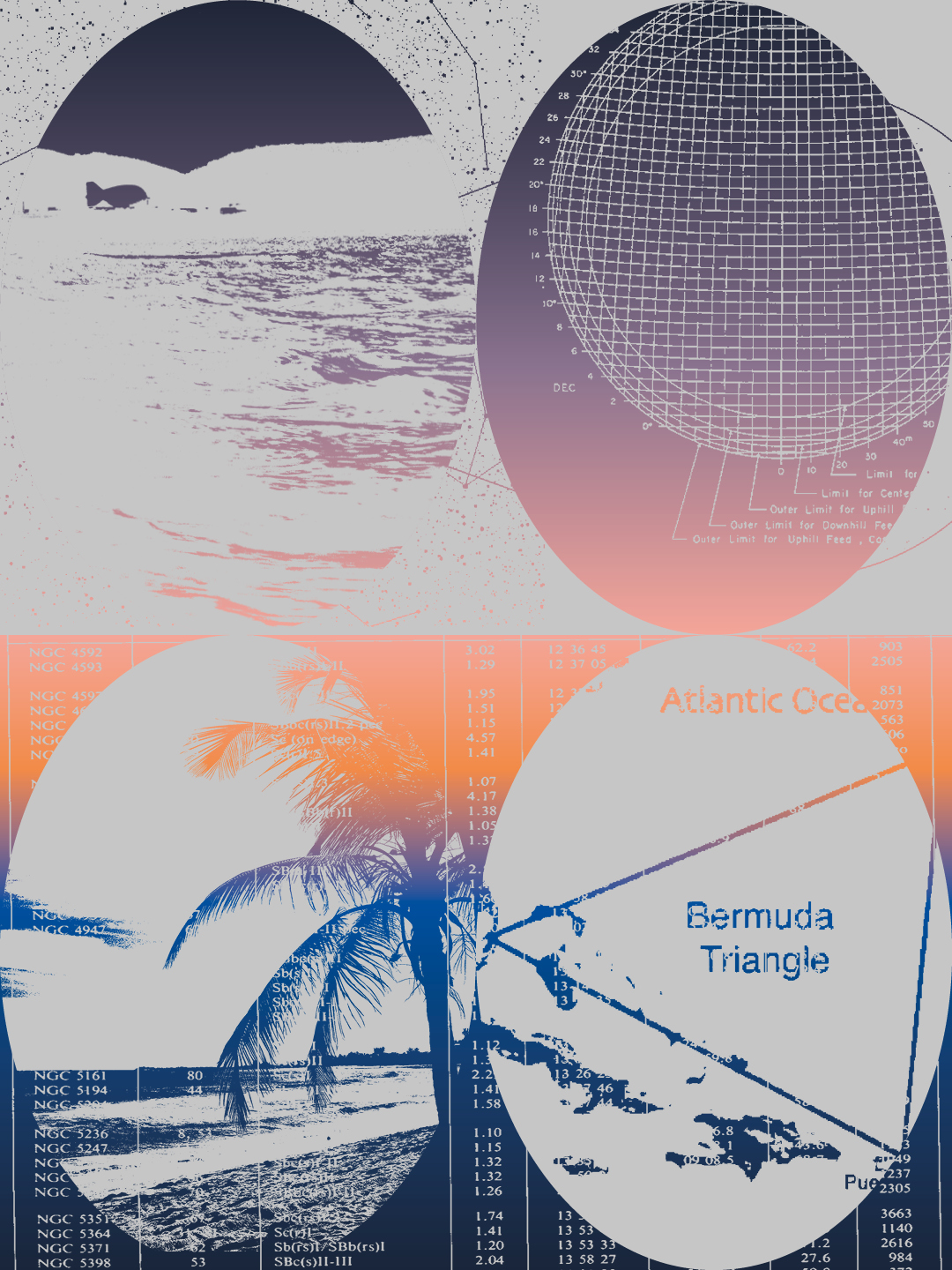
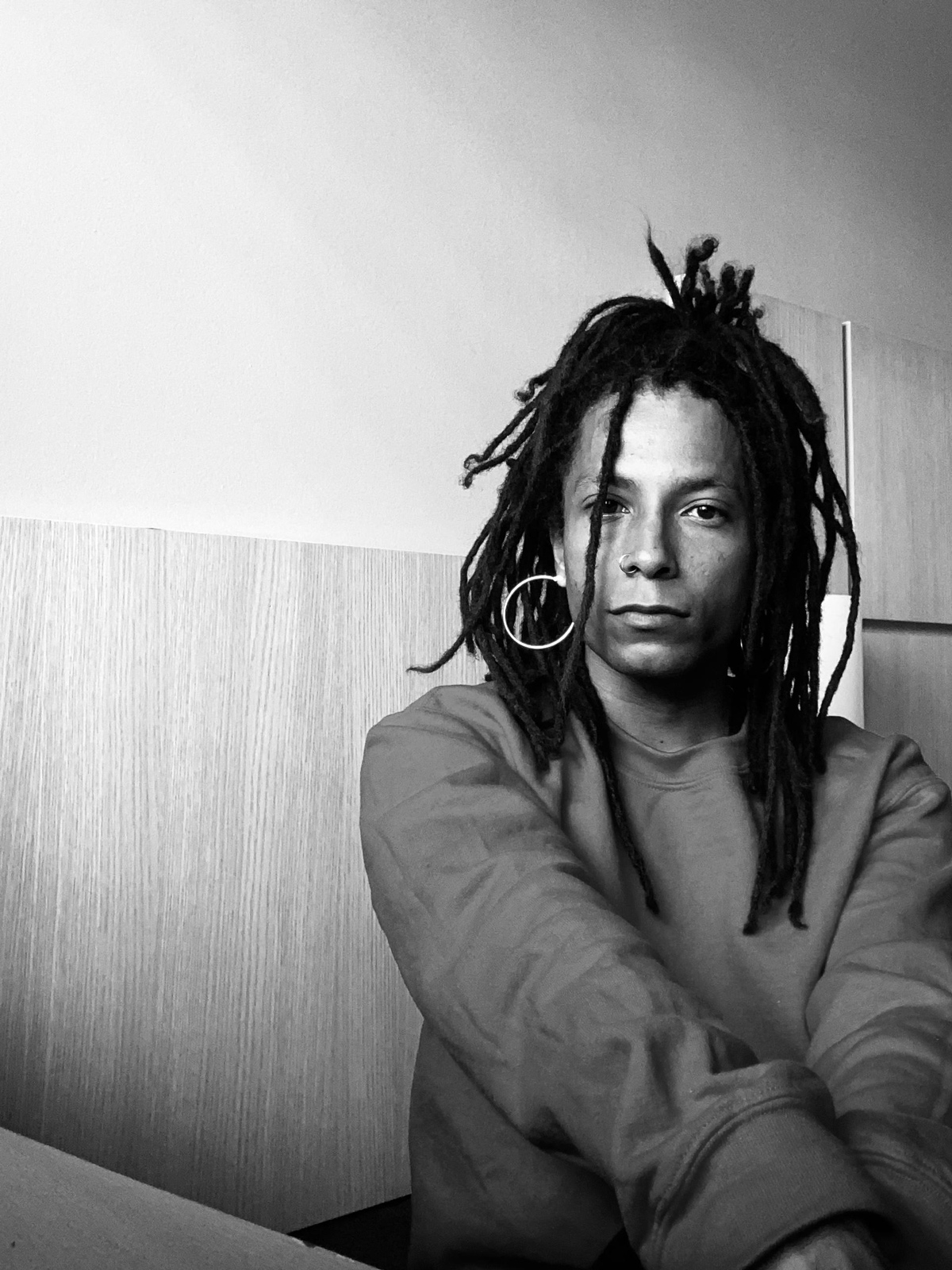
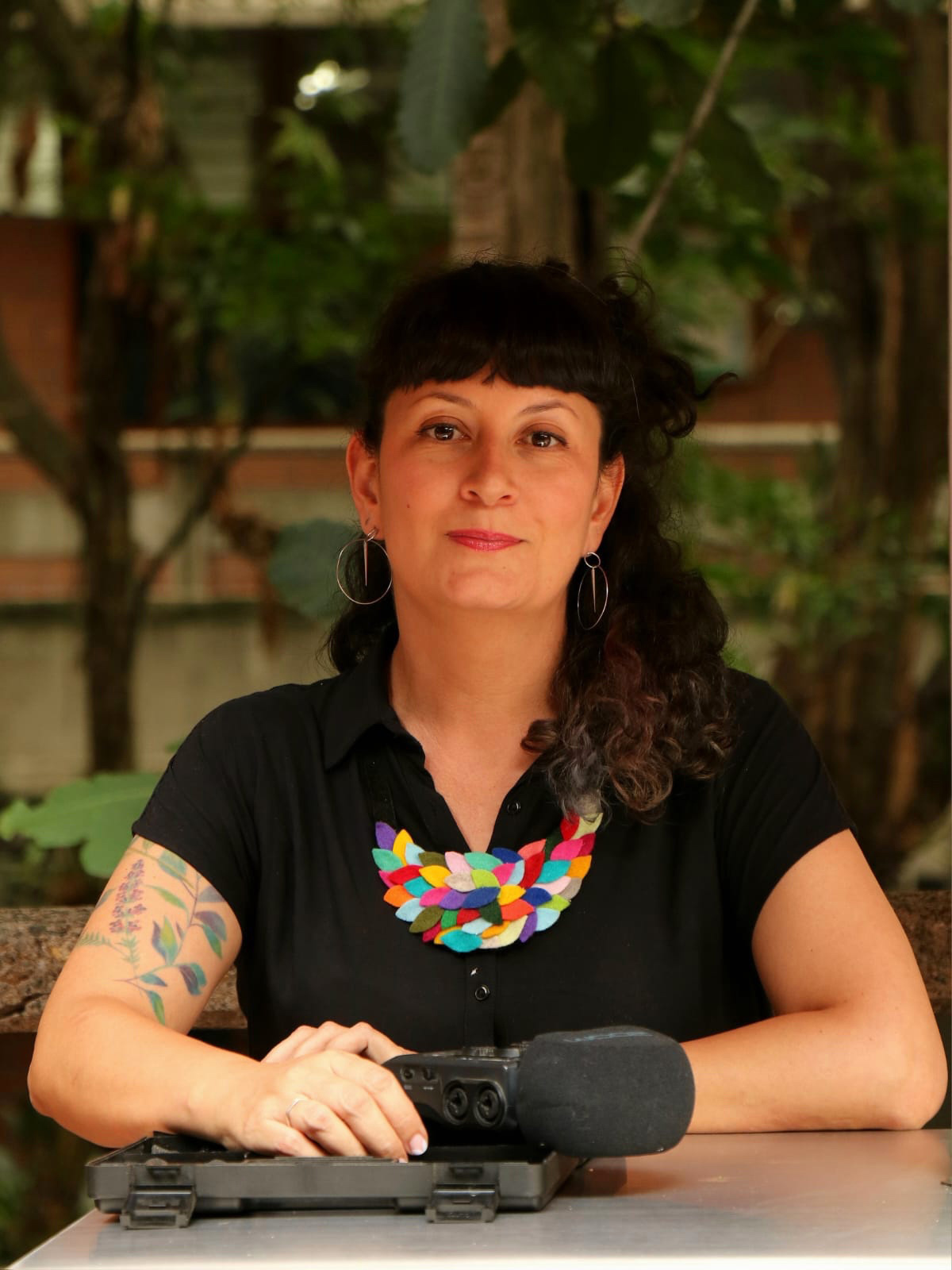
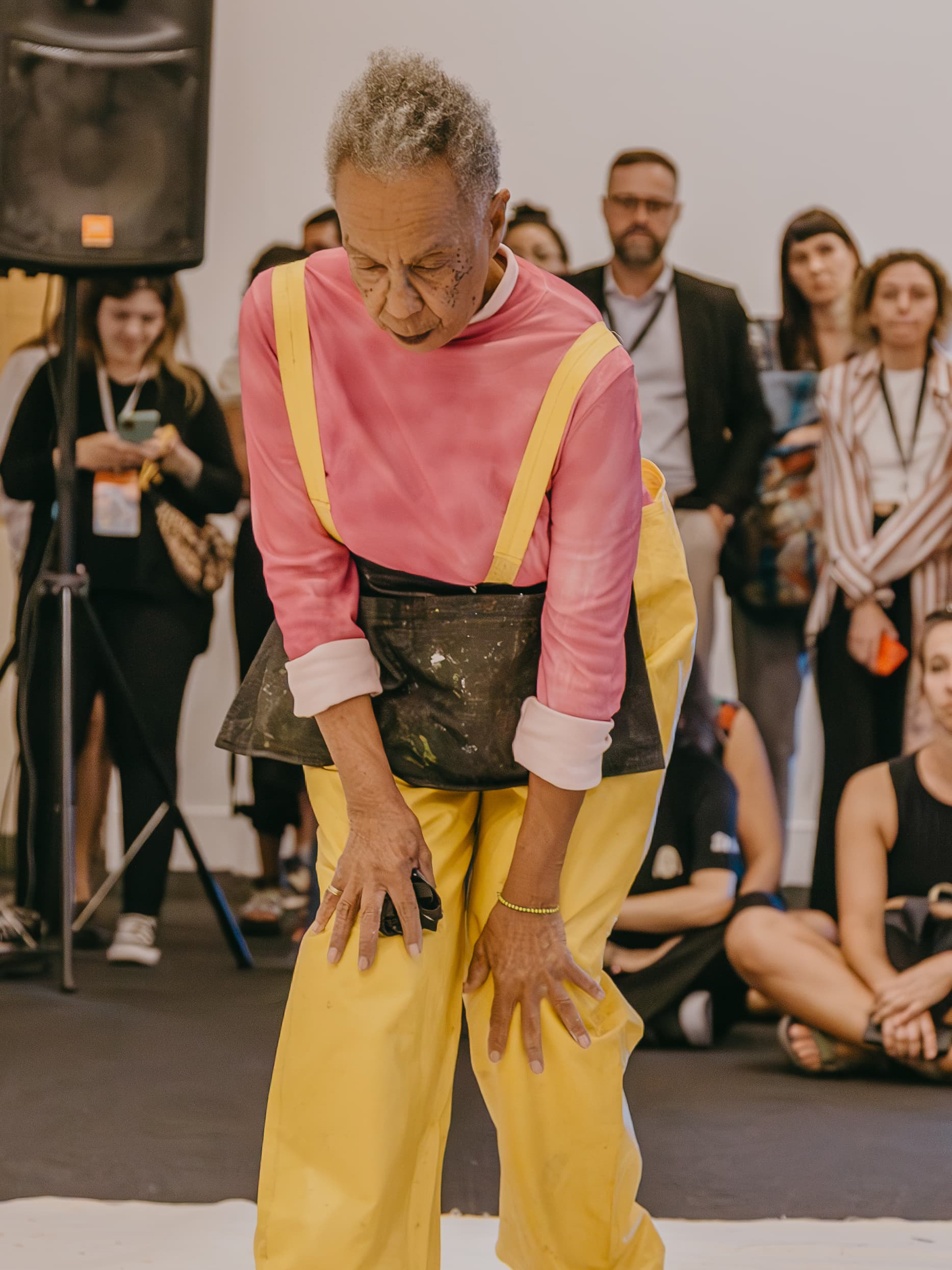
La Vulcanizadora recalls astronaut training once held in the Darién rainforest — considered uninhabitable and inaccessible to them, yet now crossed in flip-flops by migrants bound for the United States. Ser del Cosmos and María Isabel Rueda replace the golden record sent into outer space aboard the Voyager probes in 1977 with a counter-narrative connecting unheard sounds from the Pacific Ocean and the Caribbean Sea. Inspired by the spacesuits designed by NASA and the Soviet Space Program during the Space Race, Simón Vega offers a wry commentary on the tourist colonization of Latin America. The suits are reimagined in floral fabrics and found materials, to be used as survival gear for castaways unsettled by the relentless noise of nature after landing in tropical lands without air conditioning. Tony Cruz Pabón also works with local materials in Si por mí llueve, the only sculpture not housed within Beta–Local — for it is a portal in itself: a device for eavesdropping on rumors and catching radiophonic waves. Echoing this sentiment, Maritza Sánchez channels messages through radio and listens to the memory of Río Piedras, drawing ever closer to her own mediumship as she builds bridges between past, present and future. Finally, Awilda Sterling-Duprey’s works are grounded in improvisation, linking the colonial processes carried out by the United States in Puerto Rico throughout the 20th century to her own homage to Makandal, the Haitian maroon leader.
Dominican musician Wilfrido Vargas composed the song El extraterrestre in 1995, driven, as he said, by “the need to explore the cosmos and my philosophical reflection on life and cosmic behavior.” That same year, 60,000 people marched in San Juan to oppose the US Navy’s plan to install a ROTHR radar system in Vieques and its receiver in Lajas. A fortune-teller told the local press: “What harmony can there be between a tiny island offering a paradise for tourists and the latest in modern technology to spy on the Cali Cartel in Colombia?”
The exhibition conceives the aural as the primal dimension of communication between humans and spectres. Within this context, listening is used as a tool to develop intuition, and mediumship as a possibility for collective liberation. Though deeply anchored in the present, mediumship reaches towards the past, drawing upon the echoes of ancestors, stories and landscapes that continue to resonate through time. In engaging with these echoes, mediums fuse the body with instruments and spaces that together translate a shared consciousness and enable communication among entities that have been silenced.
The Cold War is hotter and louder than ever, and in the meantime, our alliances are forged in dance. Los límites del afuera seeks to invoke, stir up, sandunguear and animate the ghosts that accompany and protect us. As such, the space of Beta–Local is conceived as one where the present converges with other temporalities.
We do not know what comes next — only that the steps ahead cannot be found or dictated by us. What we do know is that we must listen to other voices, and allow those voices to listen to each other. Our collective well-being depends not only on the connections we forge in the present, but also on the invisible energies that have shaped us: the traditions, the ancestors, the forgotten struggles and the untold stories that continue to resonate. Within this world, there are many worlds.
We’re heading toward the year 2000, and humans still aren’t thinking straight They’re fighting over nuclear power — their behavior is insane We’re heading toward the year 2000, and the industry’s getting ready They’re already making it easy for me to fly in a spaceship […] Here, there are no wars; we’re no longer on Earth Here, we’re not poor; we’re only dancers – Wilfrido Vargas, “El extraterrestre”
Information
Address
Beta–Local 1412 Avenida Manuel Fernández Juncos San Juan, Puerto Rico
 Ser del Cosmos
 Maritza Sánchez
 Awilda Sterling-Duprey
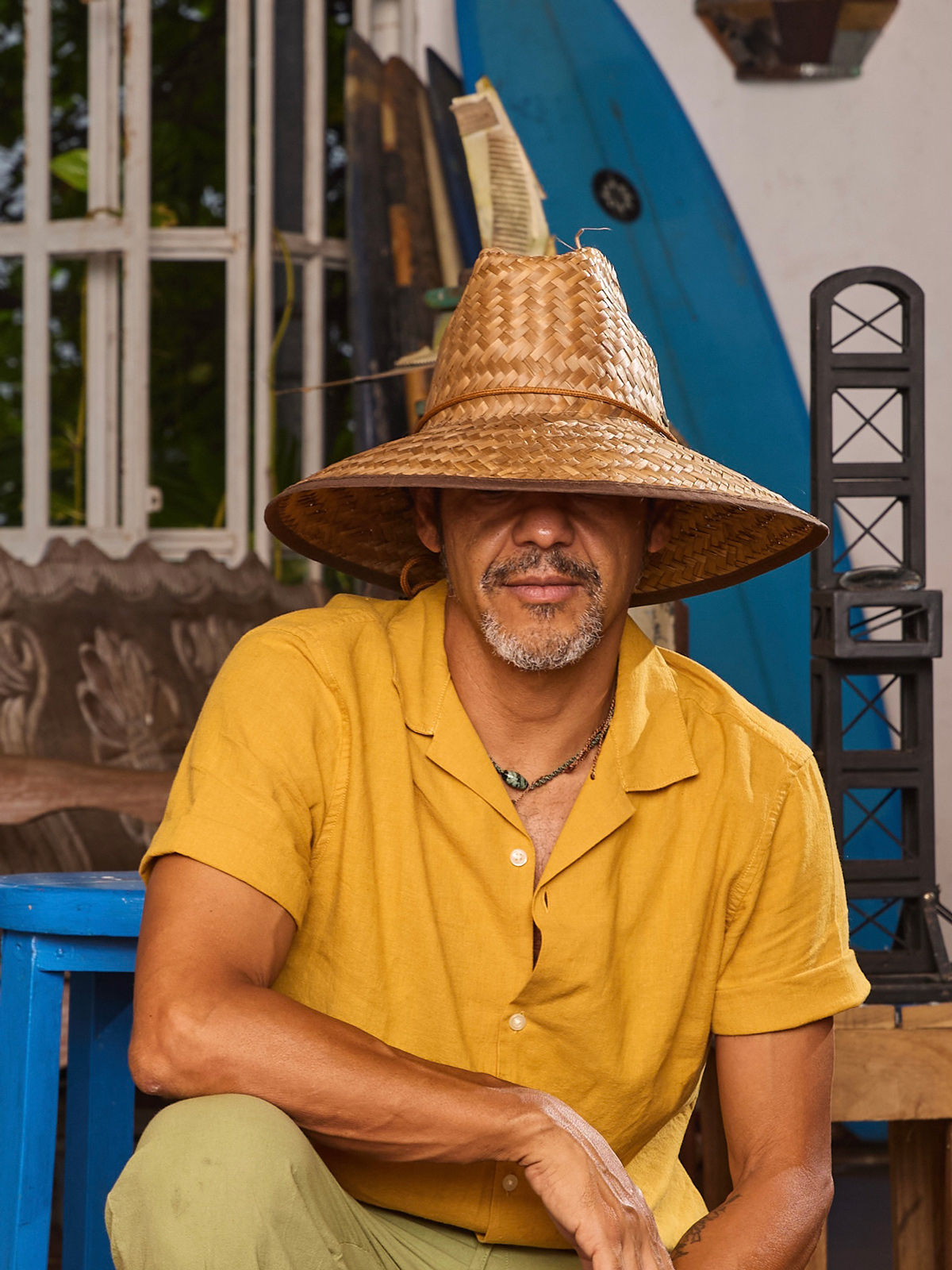 Simón Vega
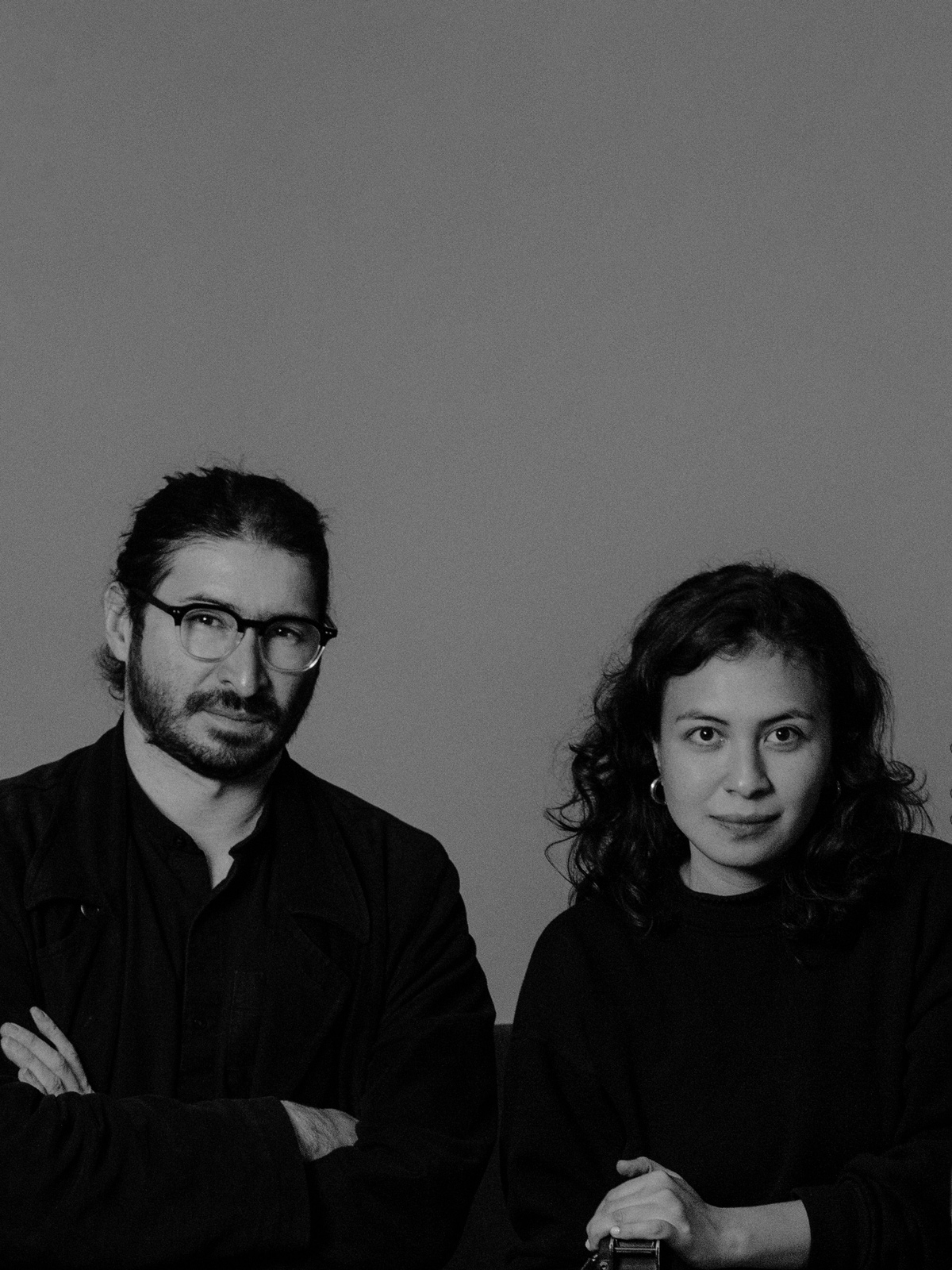 La Vulcanizadora
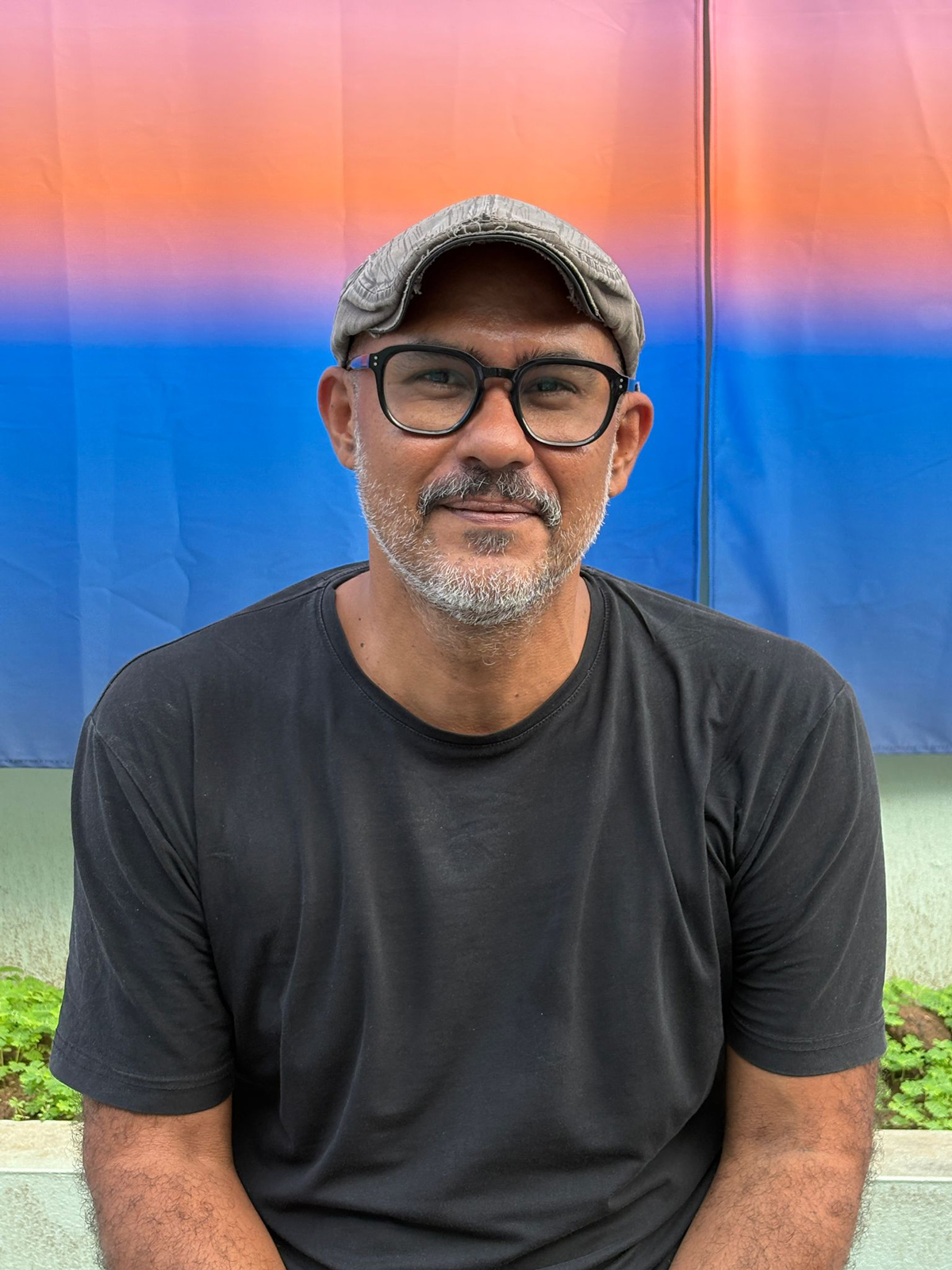 Tony Cruz Pabón
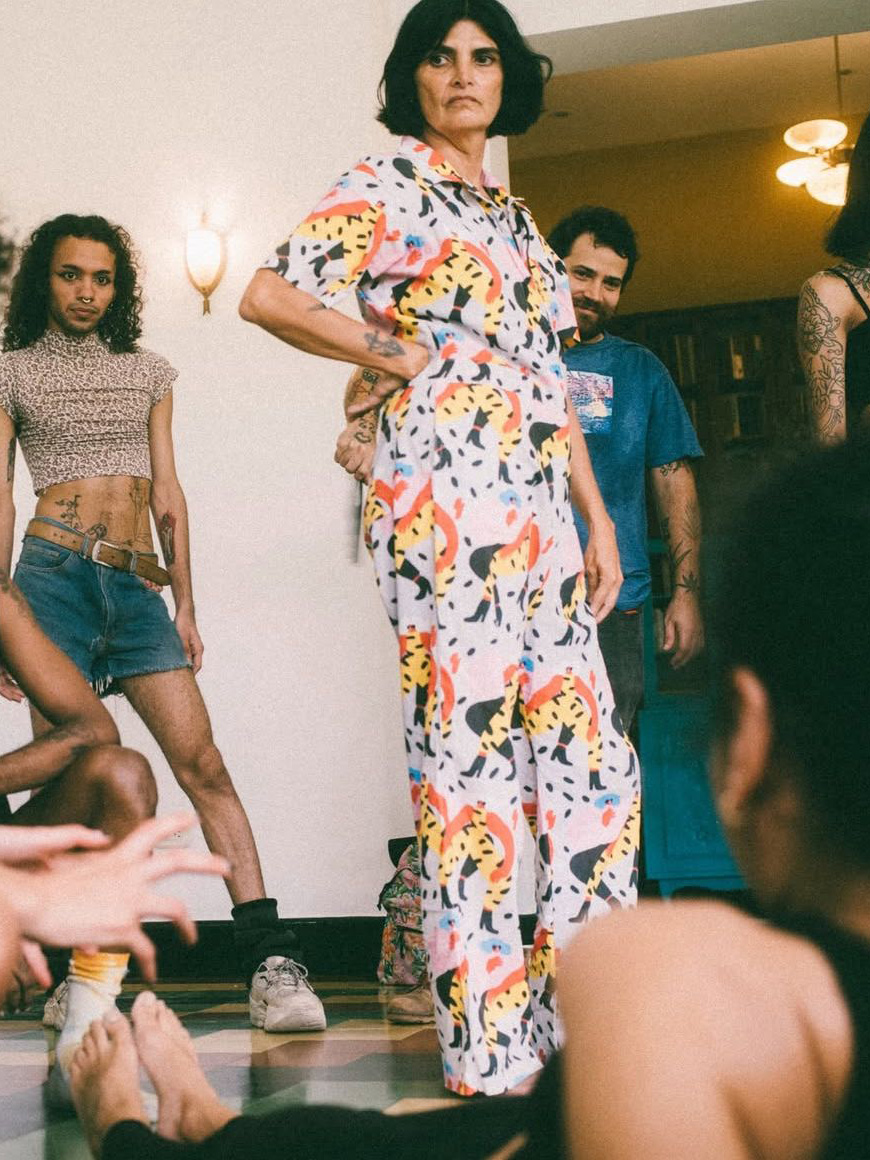 María Isabel Rueda
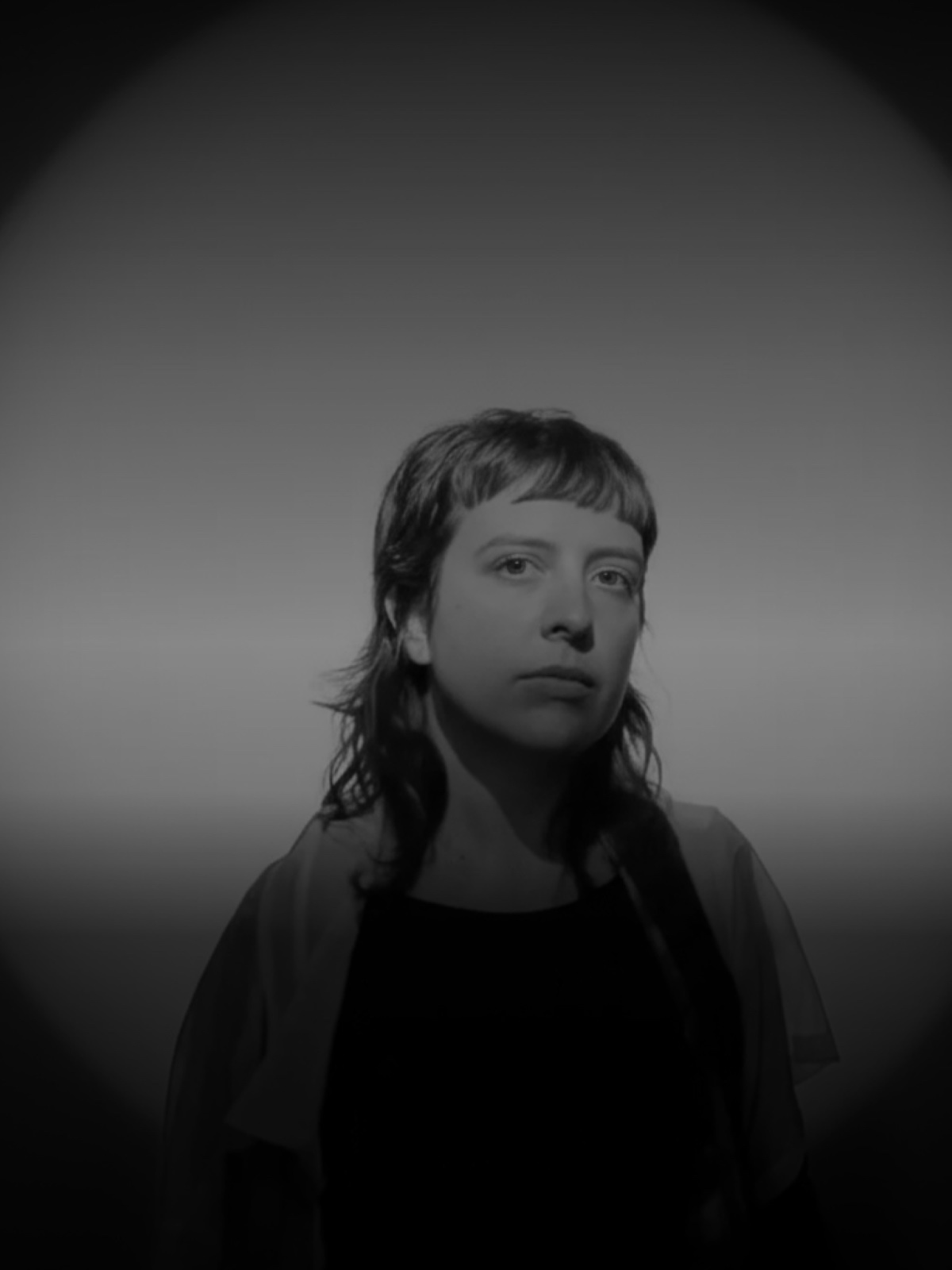 Ana Ruiz Valencia
Beta–Local
Beta-Local is a non-profit organization founded in Puerto Rico in 2009. Its mission is to create and sustain space and moments for the development of contemporary artistic practices in Puerto Rico and the Caribbean. Since its inception, it has operated as an artist-led initiative, cultivating long-term relationships grounded in exchange, collaboration, and experimentation. Through its programs and projects, Beta-Local has woven a cultural network that reflects on and activates artistic practice from local contexts, fostering new forms of production, circulation, and critical reflection — both within and beyond traditional art circuits. Its work embodies a collective vision of artistic practice as a driving force for social and cultural transformation, interlacing experimental pedagogies, research, and cross-disciplinary collaboration.
La Casa de Meira
La Casa de Meira is a center for art and experimentation in the Colombian Caribbean, based in Barranquilla. It is dedicated to the exchange of knowledge and to horizontal dialogue between local artists and the house’s residents. The space encourages encounters across disciplines, cultures, and generations through a varied program that includes exhibitions, film clubs, workshops, literary, musical, and sound gatherings, performances, culinary experiences, fashion and costume presentations, and publications.
Among its main exhibitions are Si no puedo bailar, no quiero ser parte de tu revolución, featuring Romany Dear and Grace Tortuga; Capturas, with Breidy Manes; El Indiscreto Encanto by Jessica Mitrani; Parcialmente Nublado (collective exhibition by Caribbean artists); Río Lengua, by María Leguízamo; and Cosecha post-mortem, by Bryan Duarte.
OtherNetwork
OtherNetwork is a decentralised cultural institution that connects independent art spaces. At its core are hundreds of projects that are rooted in their local context, responding to the needs of artists directly. We see the term ‘independent’ as fluid and context-specific, and continuously seek to unpack what this means to cultural practitioners in different global localities.
Visit othernetwork.io
Follow for updates
Credits
An exhibition by ifa – Institut für Auslandsbeziehungen, curated by La Casa de Meira and hosted by Beta Local, with artworks by Ser del Cosmos, Maritza Sánchez Hernández, Awilda Sterling-Duprey, Simón Vega, La Vulcanizadora, and Tony Cruz Pabón.
Artists
Ser del Cosmos, Maritza Sánchez, Awilda Sterling-Duprey, Simón Vega, La Vulcanizadora and Tony Cruz Pabón
Beta–Local
Co-directors
Michael D. Linares Vázquez, Pablo Guardiola Sánchez
Production
Alexandra Muñoz Paraliticci (Proyecto Dupla)
Technician
Omar Obdulio Peña Forty
Communication
Tembol
Acknowledgments
Anais Melero, Fabián Vélez, Ronald Morán, María Antonia Pabón, Chef Ramón Carro, Thais Llorca, Jochi Melero, El Bastión, El Local
La Casa de Meira
Curators
Ana Ruiz Valencia, María Isabel Rueda
Directors
María Isabel Rueda, Julián Chams, Juan Betancourt
ifa – Institut für Auslandsbeziehungen
Project Management
Nina Frohm
Travelling Exhibition Department
Sabiha Keyif, Nina Frohm, Valerie Hammerbacher, Sabina Klemm, Clea Laade, Alexander Lisewski, Clemens Wildt
OtherNetwork
Board of Directors
Quentin Creuzet, Domitille Debret, Colin Keays, Federico Martelli
Creative Direction
Cookies (Federico Martelli, Alice Grégoire, Clément Périssé)
Research Team
Samantha Modisenyane, Abraham Tettey, Camila Alegría, Matheus dos Reis, Camilo Quiroga
Website Conception & Visual Identity
F451 (Quentin Creuzet, Domitille Debret)
Editor
Colin Keays
Project Management
ifa Visual Arts Department (Nina Frohm)
Translation and Proofreading
Camilo Jimenez Santofimio
OtherNetwork is a collaborative project connecting independent art spaces globally, initiated by Cookies in partnership with ifa – Institut für Auslandsbeziehungen.